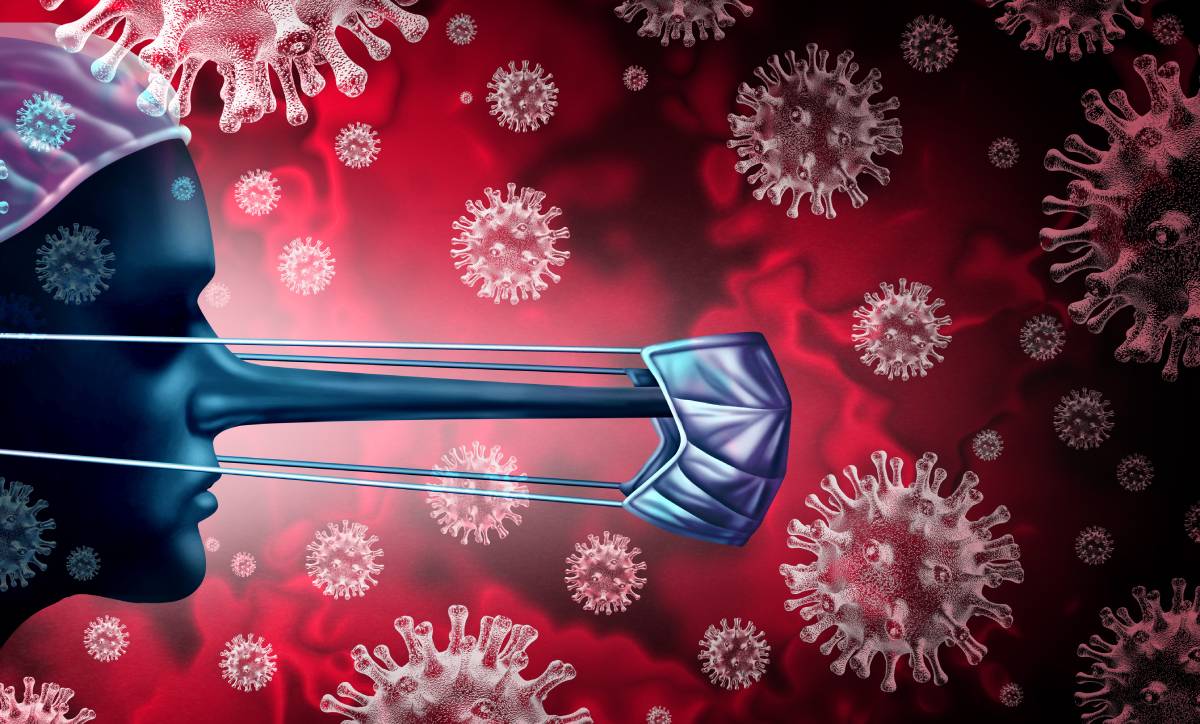
Medical misinformation refers to health-related claims that are false, misleading, and unsupported by current scientific knowledge1. It can be spread intentionally or unintentionally and thrives in today’s digital environment. It is especially dangerous in the medical field, where misinformation can delay care, promote ineffective or harmful treatments, and even cost lives2.
During crises like disease outbreaks, an “infodemic”—an overabundance of information—can make it difficult to separate fact from fiction. Rumors and falsehoods proliferate alongside legitimate advice, creating confusion and undermining public health messaging3.
Multiple studies confirm that medical misinformation is widespread, especially on social media, and is especially prolific for certain health topics. For instance, research studies analyzing posts on topics like tobacco or drugs found that up to 87% of contained misinformation. Vaccine-related content is also particularly vulnerable, with 40–50% of posts carrying false or misleading claims. Even content related to serious illnesses like cancer or COVID-19 shows misinformation rates of 30–40%1.
Social media platforms such as X, Facebook, YouTube, and Instagram play a central role in spreading misinformation. Their speed, reach, and user engagement features, while powerful tools for health communication, also make them ideal environments for poor-quality or harmful content3,4. Research shows that misleading posts often attract more likes, views, and shares than evidence-based ones5. Additionally, social media algorithms can create echo chambers that reinforce preexisting beliefs and make it harder to correct false information4.
The consequences of medical misinformation are serious. On an individual level, people may delay necessary treatment, reject proven interventions, or turn to unproven and sometimes dangerous remedies. Vaccine misinformation, for example, has fueled hesitancy and contributed to the return of diseases like measles. One infamous case is the retracted study falsely linking vaccines to autism, which has caused lasting damage to public trust despite being discredited4.
On a societal level, medical misinformation breeds confusion, mistrust, and division, especially during public health emergencies. When people are misled about health risks or treatments, they may ignore expert advice and undermine coordinated health responses. Even though social media has the potential to spread accurate health information, the sheer volume of misinformation can amplify fear and worsen outcomes3.
Misinformation about cancer is also a prominent example. False claims about prevention and treatment, conspiracy theories, and ads for unproven therapies often circulate widely. These misleading posts can garner more engagement than content from health authorities, potentially influencing patient decisions at vulnerable moments5.
Addressing medical misinformation requires a multi-pronged approach. Social media platforms have the power to moderate false content by flagging or removing blatant misinformation and prioritizing credible sources2,4. Healthcare professionals can help by providing “information prescriptions”—trusted websites or resources to guide patients5. Public education campaigns on digital literacy can empower individuals to assess health claims more critically. Ultimately, combating medical misinformation will require collaboration among health professionals, tech companies, researchers, and policymakers.
References
- Suarez‑Lledo V, Alvarez‑Galvez J. Prevalence of health misinformation on social media: systematic review. J Med Internet Res. 2021;23(1):e17187. doi:10.2196/17187
- Wang Y, McKee M, Torbica A, Stuckler D. Systematic literature review on the spread of health‑related misinformation on social media. Soc Sci Med. 2019;240:112552. doi:10.1016/j.socscimed.2019.112552
- Borges do Nascimento IJ, Pizarro AB, Almeida JM, et al. Infodemics and health misinformation: a systematic review of reviews. Bull World Health Organ. 2022;100(9):544‑561. doi:10.2471/BLT.21.287654
- Yeung AWK, Tosevska A, Klager E, et al. Medical and health‑related misinformation on social media: bibliometric study of the scientific literature. J Med Internet Res. 2022;24(1):e28152. doi:10.2196/28152
- Loeb S, Langford AT, Bragg MA, Sherman R, Chan JM. Cancer misinformation on social media. CA Cancer J Clin. 2024;74(5):453‑464. doi:10.3322/caac.21857