For Informational Purposes Only
The articles below are provided for general educational purposes only and are not a substitute for professional medical advice. Please read our full medical disclaimer before relying on any information found here.

Beyond the risks directly related to inhalational anesthesia, inhalational risks in the operating room (OR) present an important and underrecognized…
Read More →
Intubating patients with a swollen tongue is a recognized challenge in airway management. The tongue normally occupies most of the…
Read More →
Epidural anesthesia is widely used for pain control in surgeries, childbirth, and chronic pain management. Ensuring that the epidural is…
Read More →
Medical misinformation refers to health-related claims that are false, misleading, and unsupported by current scientific knowledge1. It can be spread…
Read More →
Oxygen desaturation during anesthesia induction is a dangerous possibility for infants and children undergoing medical procedures due to their vulnerable…
Read More →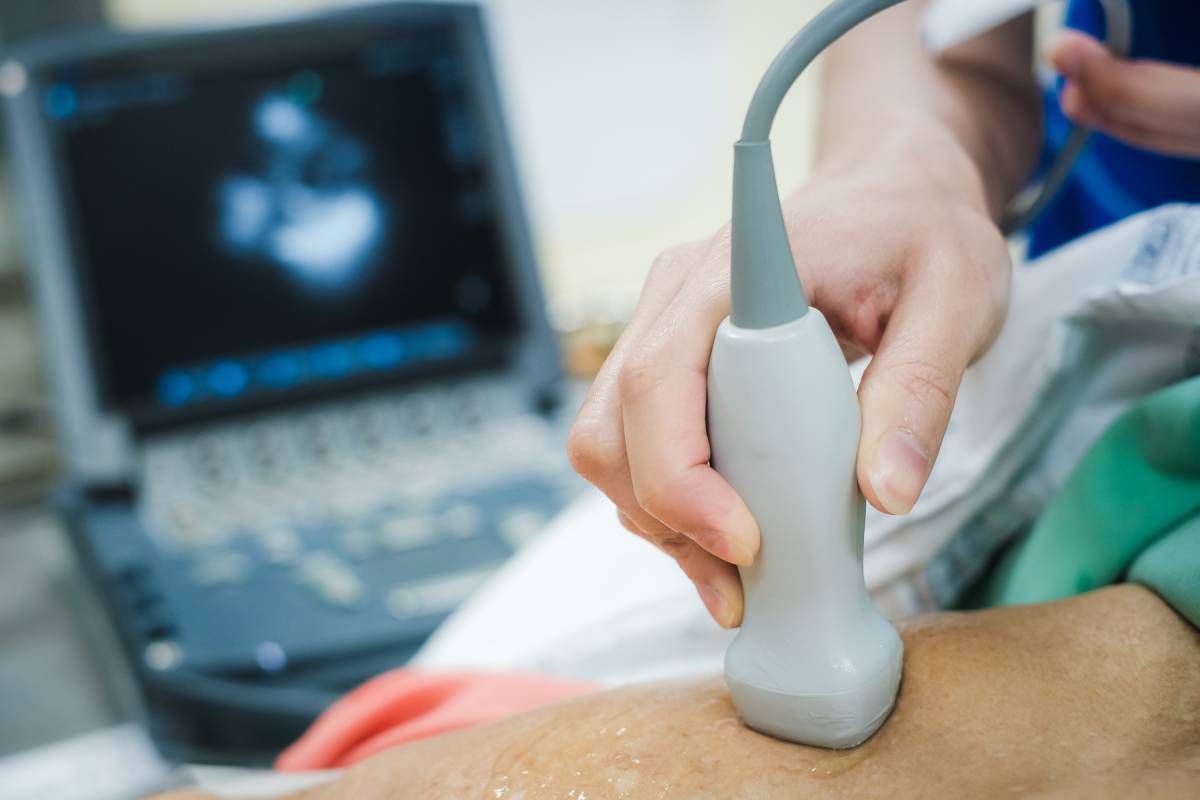
Ejection fraction (EF) is a key measure of cardiac function, expressed as the percentage of blood ejected from the left…
Read More →
Anticoagulants play a crucial role in managing and preventing thromboembolic disorders, including deep vein thrombosis, pulmonary embolism, and stroke. Traditional…
Read More →
Body Mass Index (BMI) has long been the standard metric for assessing body composition and obesity. However, the measurement is…
Read More →
Maneuvering patients under general anesthesia requires careful planning, execution, and collaboration to ensure patient safety and optimize surgical outcomes. Under…
Read More →